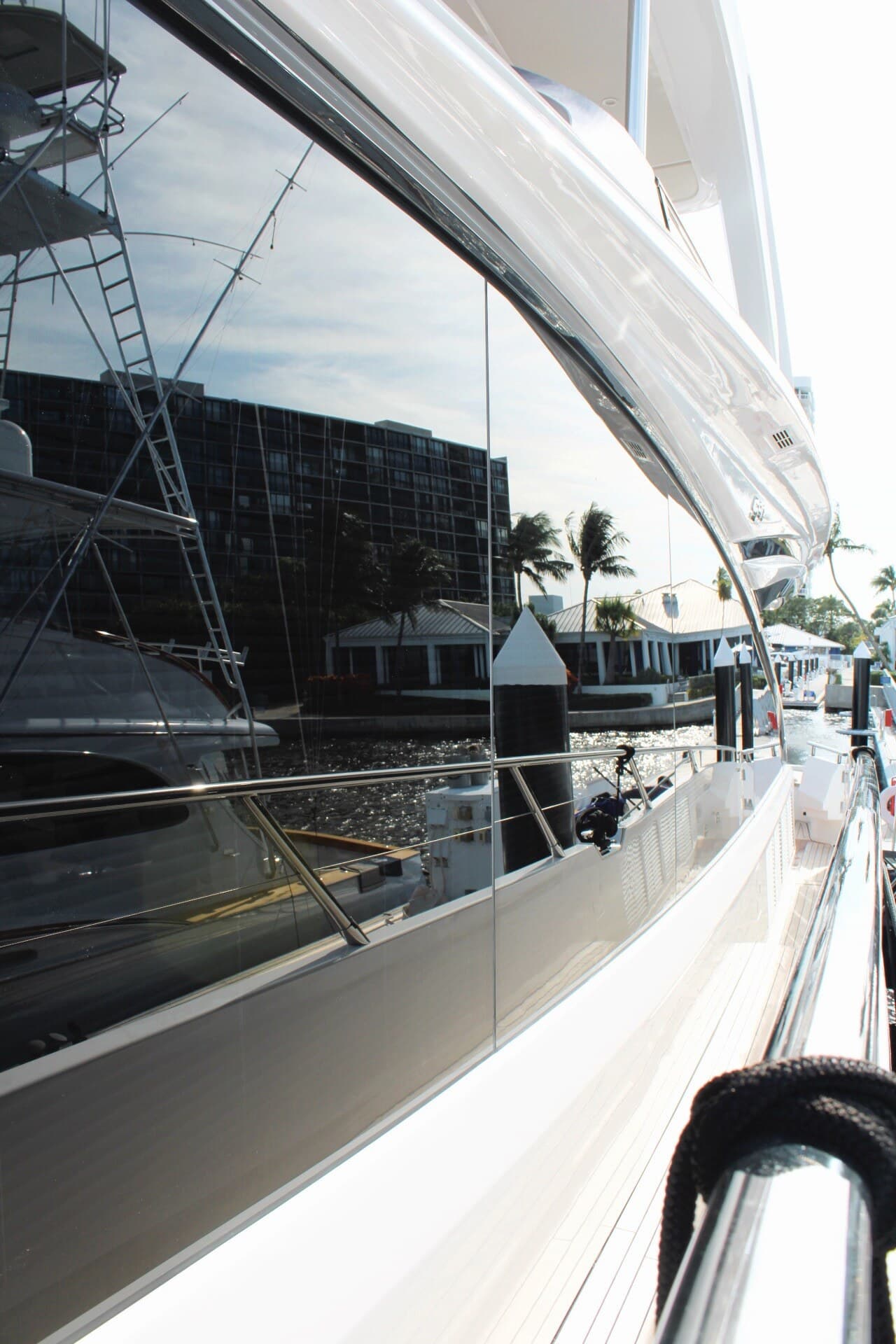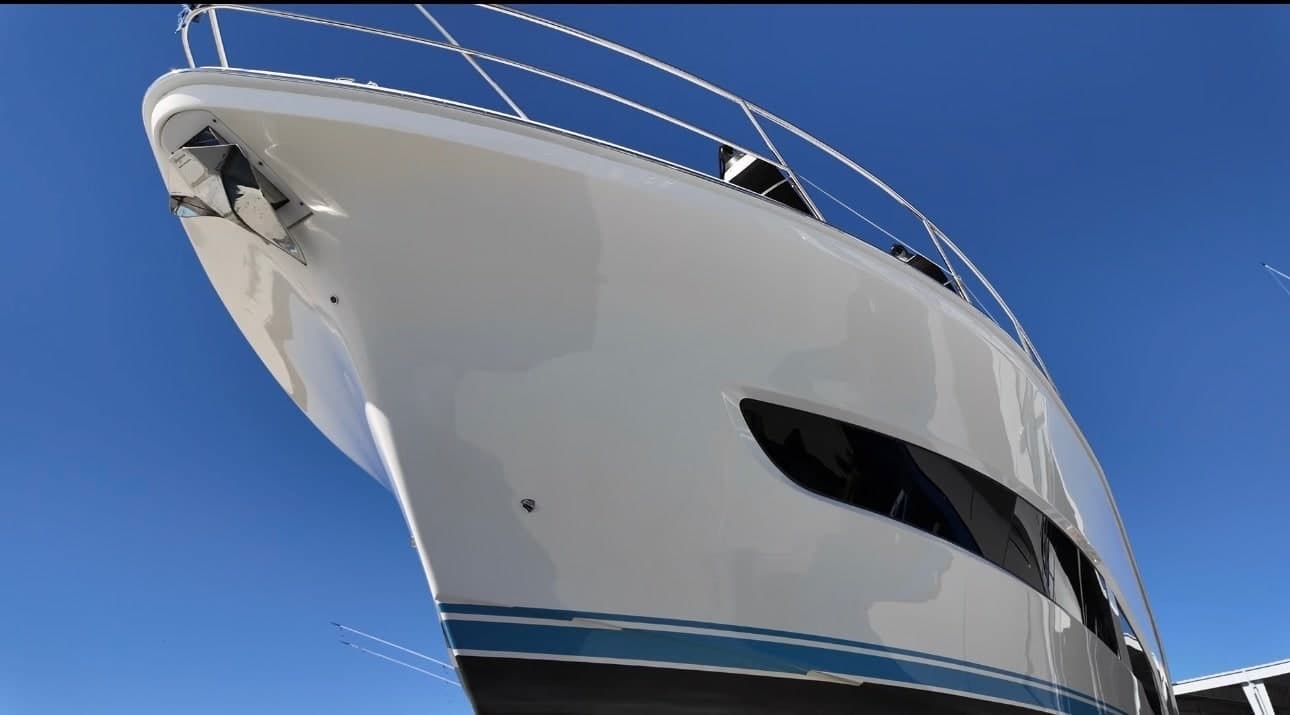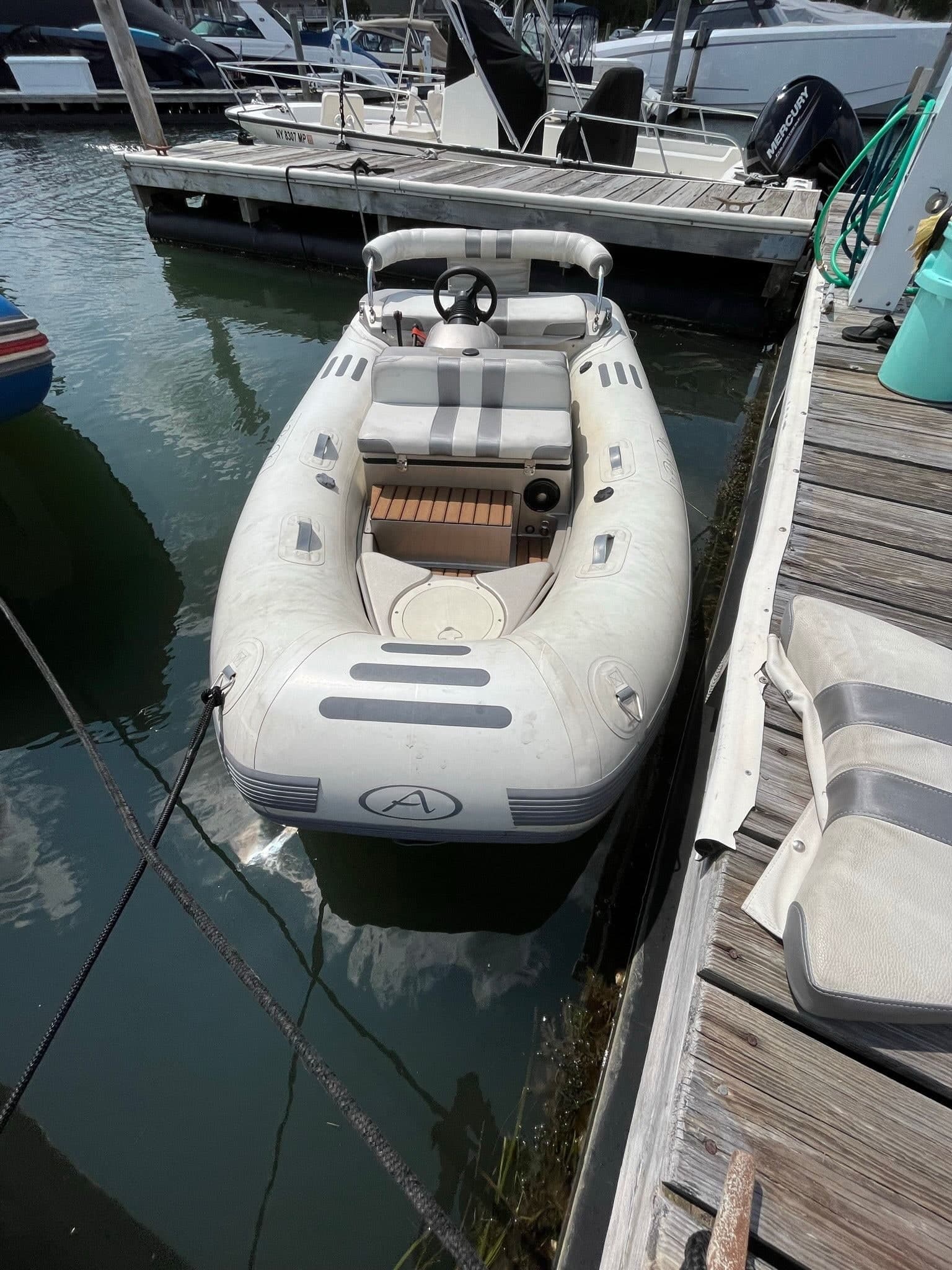
Detailing a boat properly is more involved than detailing a car, because a boat fights a harder environment and has more surface types to manage. The basic order, though, is the same one professionals follow on every vessel: clean it, decontaminate it, correct it if needed, protect it, then handle the interior and the details. Here's the whole process, step by step, useful whether you're doing it yourself or just want to know what you're paying for.
Before You Start: Conditions and Materials
Two things ruin more boat-detailing jobs than bad technique:
- Working in direct sun. Products flash-dry on a hot surface, leaving streaks and doing their job poorly. Work in shade or early morning when you can. In South Florida, this matters more than anywhere.
- Using the wrong products. Dish soap strips wax and protection. Car products aren't built for gelcoat, saltwater, or marine UV. Use marine-specific soaps and protectants. A two-bucket method (one wash, one rinse) keeps grit off your mitt so you're not grinding it into the finish.
Have your gear staged before you start: marine wash, two buckets, microfiber and a wash mitt, and whatever protectant and interior products the job calls for.
Step 1: Rinse and Wash

Rinse the whole boat first to clear loose salt and grit, then wash top-down with a marine soap. Working top to bottom means dirty runoff flows over surfaces you haven't cleaned yet, not ones you have. Get into the nonskid, the rubrail, and the waterline. Rinse thoroughly: leftover soap film attracts dirt and can spot in the sun.
Step 2: Decontaminate
Washing removes loose dirt; it doesn't remove what's bonded to the surface. The waterline scum line, mineral deposits, light staining, and embedded salt need a decontamination step: a dedicated hull cleaner for the waterline, and sometimes a clay treatment on smooth gelcoat to pull out bonded contaminants. This is the step most DIY washes skip, and it's why a "clean" boat can still feel rough.
Step 3: Correct the Gelcoat (If It's Oxidized)
Run your hand over the hull. If it's chalky, dull, or rough, the gelcoat is oxidized and no wax will fix it: it needs compounding and polishing to remove the dead layer and bring the gloss back. This is the most technical stage and the easiest to get wrong, since over-aggressive compounding can thin or burn the gelcoat. If your finish is healthy and glossy, skip straight to protection. We break the full process down in our gelcoat restoration guide.
Step 4: Protect

Bare, clean gelcoat needs a protective layer or it starts oxidizing again, and in this climate it happens fast. Your options, shortest- to longest-lasting: a marine wax, a synthetic sealant, or a marine ceramic coating. Whatever you choose, this step is not optional in South Florida. Protection is what makes all the previous work last. (How long a ceramic coating realistically holds up in saltwater is its own honest conversation.)
Step 5: The Cabin and Interior
The interior is its own job: vacuum and wipe down, clean and condition vinyl and upholstery, and treat any mildew or odor: humidity makes that a constant battle here. If the boat has teak trim or decking, that's a separate discipline with its own products and cautions; our teak restoration guide covers it. Don't use the same harsh cleaners on soft interior surfaces that you'd use on the hull.
Step 6: Metal, Glass, Canvas, and the Trailer
The finishing details separate a wash from a detail: polish stainless and chrome, clean glass and any isinglass or clear vinyl enclosures with plastic-safe products (never glass cleaner on clears: it crazes them), brush and treat canvas, and if the boat trailers, don't forget the trailer. These small surfaces are where a careful job shows.
How Long Does a Proper Boat Detail Take?
Honestly, anywhere from a few hours to a couple of days, depending entirely on size and condition. A clean, well-maintained 24-footer getting a wash and protection is a few hours. A neglected, heavily oxidized boat needing full gelcoat correction, teak restoration, and a ceramic coating can run a day or more. Anyone quoting a flat time without seeing the boat is guessing.
DIY vs. Hiring a Pro: An Honest Take
Plenty of this is doable yourself. Washing, basic decontamination, interior cleaning, and applying a wax are well within reach for a hands-on owner with time and the right products, and there's real satisfaction in it.
Where it makes sense to hand off:
- Heavy oxidation / gelcoat correction. Machine compounding has a real risk of burning the finish. This is the step worth paying for.
- Ceramic coatings. Prep and application are unforgiving; a poorly applied coating can fail or need stripping.
- In-water work. Detailing a boat in its slip takes equipment and experience most owners don't have.
- Time. A full detail is a long day or two. Sometimes the honest math is that your weekend is worth more.
There's no shame in either path. The point is matching the job to your skills, your time, and what your boat actually needs.
Frequently Asked Questions
How often should I detail my boat?
A wash after every saltwater outing, and a full detail with fresh protection a few times a year, is a reasonable baseline in South Florida. Boats kept in the water or out in the sun need more attention than trailered, covered ones.
Can I use car products on my boat?
Not ideally. Marine surfaces, saltwater, and marine UV exposure are different from a car's, and marine products are formulated for them. Car wax on a hull won't last, and dish soap strips protection. Use marine-specific products.
How long does a boat detail take?
A few hours for a clean, well-kept boat; up to a couple of days for a neglected one needing correction, teak work, and coating. Size and condition drive it.
Can you detail a boat in the water?
Yes, we perform washing, gelcoat correction, and coating services dockside while your boat stays in its slip. It's often more convenient than hauling out.
Is detailing a fiberglass boat different from a pontoon?
The order is the same, but the surfaces differ. Fiberglass is mostly gelcoat, so correction and protection center on the hull. Pontoons add aluminum tubes that need their own cleaners and oxidation treatment. The process adapts to what the boat is made of.
Detailing a boat well is just doing each step in the right order and not skipping the ones that don't show immediate results: decontamination and protection especially. Do it yourself if you've got the time and the touch; if you don't, that's what we're for: see our boat detailing services or get a quote if you'd rather hand it off.