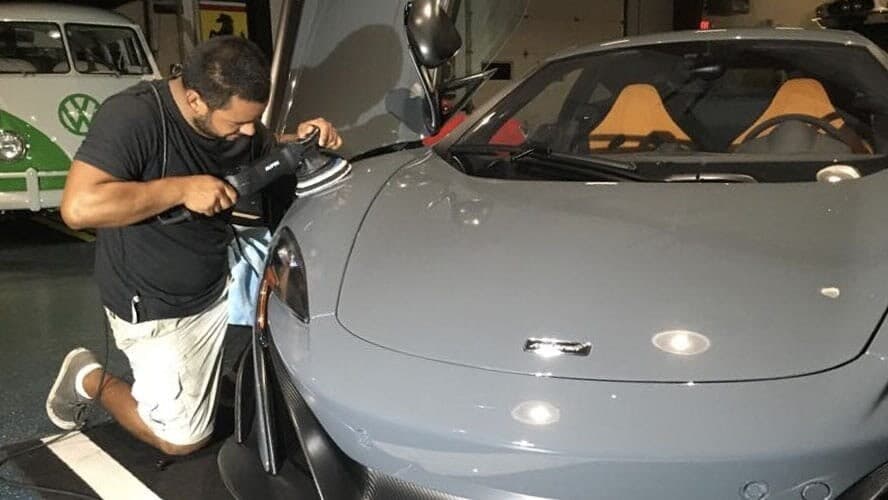
There's no single right answer to how often you should detail a car or boat: it depends on where it lives, how you use it, and how brutal its environment is. And in South Florida, the environment is brutal year-round. Here's a realistic framework for both, instead of a one-size number that fits no one.
What Actually Drives the Schedule
Three factors decide how often anything needs detailing:
- Storage: garaged or covered versus parked outside or kept in the water. Shelter is the single biggest variable.
- Use: a daily driver or a boat run every weekend accumulates contamination far faster than something used occasionally.
- Exposure: South Florida's UV, heat, humidity, salt air, love bugs, and pollen attack finishes twelve months a year. There's no mild season to coast through.
Whatever baseline you pick, push the frequency up the more your vehicle sits in the sun, gets used, and lives near the coast.
| Vehicle & use | Wash | Full detail |
|---|---|---|
| Garaged car, light use | Every 2 weeks | 2×/year |
| Daily driver, parked outside | Weekly | 3–4×/year |
| Boat, trailered / covered | After each use | 2×/year |
| Boat, in-water / coastal | Rinse after each use | 3–4×/year |
| Any coated vehicle | Coating-safe, as above | Maintenance program |
How Often to Detail a Car

A practical schedule for most South Florida cars:
- Wash: every one to two weeks, and sooner after bird droppings, love bugs, or salt exposure. Letting those sit is what causes etching.
- Full detail: two to four times a year. Daily drivers parked outside need the higher end; garaged weekend cars need less. (What that service covers is here.)
- Paint correction: occasionally, as needed, to reset accumulated swirls, not on a routine schedule.
A car that's washed regularly needs full details less often, because contamination never gets the chance to build up and bake on.
How Often to Detail a Boat
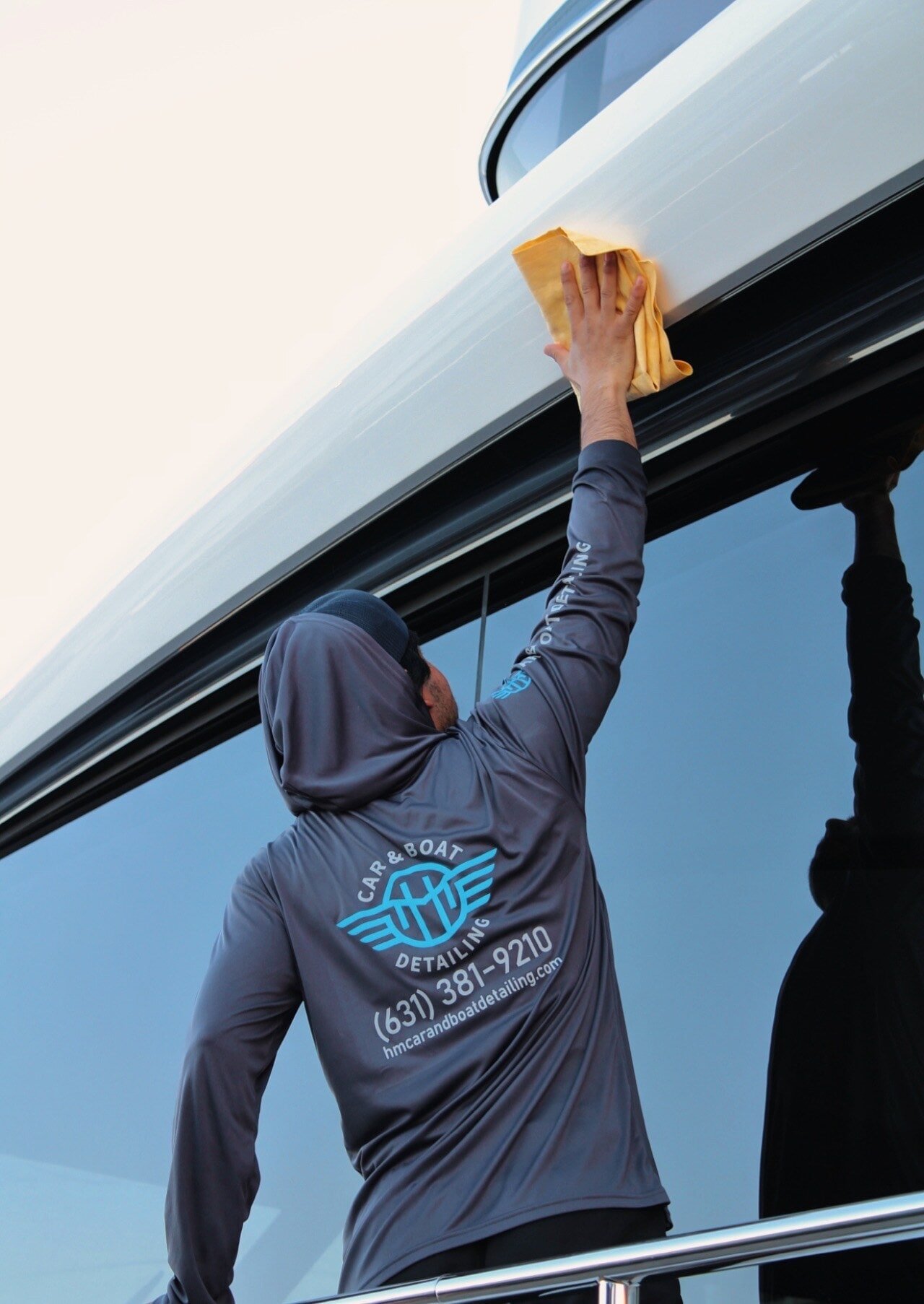
Boats face the same forces plus full-time saltwater, so the cadence is its own thing:
- Wash / rinse: after every saltwater outing. Rinsing salt off promptly is the cheapest protection there is.
- Full detail with fresh protection: a few times a year. Boats kept in the water or out in the sun need more attention than trailered, covered ones.
- Gelcoat and teak care: periodic, based on condition and exposure.
We cover the seasonal once-over in detail in the pre-season boat detailing checklist.
How a Ceramic Coating Changes the Math
A coating (on either a car or a boat) doesn't eliminate maintenance, but it shifts it. Washing gets easier and contamination releases more readily, so the effort per wash drops. What you trade for that is maintenance the coating itself needs: coating-safe washing and periodic toppers to keep it performing. A coated vehicle isn't lower-maintenance so much as easier-maintenance, and skipping that upkeep shortens the coating's life. More on that in caring for a coated car.
The Honest Principle
Frequency is cheaper than recovery. Washing regularly and detailing on a sensible schedule costs far less than correcting oxidation, etching, and baked-on contamination after the fact. In a climate this hard on finishes, staying ahead of the damage is the entire strategy, for both the car in the driveway and the boat at the dock.
Frequently Asked Questions
How often should I wash my car in Florida?
Every one to two weeks as a baseline, and promptly after bird droppings, love bugs, pollen, or salt air. The sun and heat here make sitting contamination etch faster than in milder climates.
How often should I get a full detail?
Two to four times a year for most South Florida cars, more for daily drivers kept outside, less for garaged vehicles. Regular washing in between reduces how often you need a full detail.
How often should I detail my boat?
Rinse after every saltwater use, and do a full detail with fresh protection a few times a year. Boats kept in the water or in the sun need more frequent attention than trailered, covered ones.
Does a ceramic coating mean I can detail less often?
It makes maintenance easier and washing less labor-intensive, but the coating itself needs proper upkeep. You detail differently, not necessarily far less.
The right schedule is the one that matches how you store, use, and expose your car or boat. In South Florida, that usually means more often than people expect. Staying ahead of the damage is always cheaper than undoing it.
Signs You've Waited Too Long
- Paint looks dull or chalky in sunlight, or no longer beads water.
- Bird droppings or bug splatter have left permanent marks.
- Gelcoat feels chalky or the boat's waterline has a hard scum line.
- Interior odor, mildew, or stains have set in.
If you're seeing these, you're past maintenance and into recovery, which costs more. Get a quote for a plan that fits your situation.