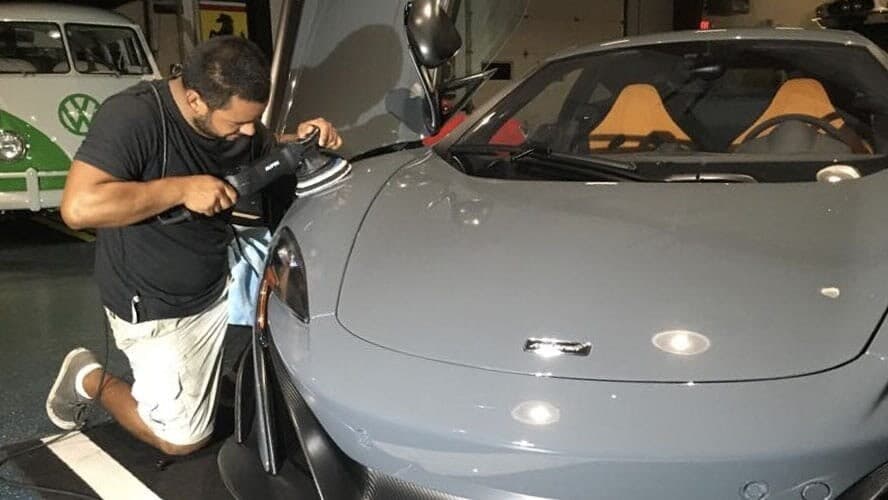
"Scratch removal" is one of the most oversold phrases in detailing, because there's a real difference between removing a scratch and hiding one, and a lot of shops blur it. The honest answer to whether detailing can remove scratches is: some, genuinely and permanently, and others only temporarily. Which one you're dealing with comes down to how deep the damage goes. Here's how to tell.
How Car Paint Is Layered
To understand what can be fixed, you need to know what you're cutting into. Modern automotive paint is layered: primer, then color (base coat), then a clear coat on top. The clear coat is the thick, transparent protective layer, and it's where most light damage lives. Paint correction works by removing a tiny amount of clear coat to level the surface, so whether a scratch can be removed depends entirely on whether it's still within the clear coat.
Removing vs. Hiding: The Real Difference
- Removing a scratch means leveling the clear coat around it with compounding and polishing until the surface is even again and the scratch is physically gone. This is paint correction, and the result is permanent.
- Hiding a scratch means filling it with a glaze or filler that masks it temporarily. It looks fixed, until the filler washes out over a few washes and the scratch reappears.
Both have legitimate uses, but they are not the same thing, and "scratch removal" that's really just filling will disappoint you a month later. A reputable shop tells you which one your scratch actually needs.
The Fingernail Test

There's a simple way to gauge depth yourself. Run a fingernail gently across the scratch:
- Nail glides over it: the scratch is shallow, within the clear coat, and very likely correctable.
- Nail catches in it: the scratch has cut through the clear coat into the color or primer. Correction can reduce its appearance, but it can't be fully removed without paint, because there's no clear coat left to level.
It's not lab-precise, but it's a reliable first read on whether you're looking at a polish or a paint job.
| Type | Depth | Removable? |
|---|---|---|
| Swirl marks | Top of clear coat | Yes (correction) |
| Light scratch | Within clear coat | Usually (correction) |
| Deep scratch | Through clear coat | No (needs paint) |
| Etching (bird, bug, water) | Clear coat | Often, if caught early |
| Scuff / transfer | On top of clear coat | Yes (often polishes off) |
Swirls vs. Scratches

Most of what owners call "scratches" are actually swirl marks: fine, spider-web micro-scratches in the clear coat from improper washing, automatic car washes, and dirty towels. These are almost always correctable, and removing them is the single most dramatic improvement paint correction makes. True isolated scratches are a separate case judged by depth as above. The good news: the swirls covering most daily-driven cars are the removable kind. The cause of them is worth avoiding too. See why tunnel washes hurt your paint.
When a Scratch Needs Paint
If a scratch has gone through the clear coat into the color or down to primer or metal, no amount of polishing brings it back: there's nothing left to level. At that point the honest options are paint touch-up or refinishing, not correction. A shop that promises to "buff out" a deep scratch through the clear coat is either misinformed or about to over-thin your clear coat trying.
Does a Coating Hide Scratches?
No. A ceramic coating adds gloss and mild scratch resistance, but it's clear and doesn't fill existing scratches. This is exactly why correction comes before coating: you fix the paint first, then lock the corrected finish in. Coating over scratched paint just seals the flaws in for years. More on that sequence in ceramic vs wax.
Frequently Asked Questions
Can detailing remove deep scratches?
Not fully. If a scratch has cut through the clear coat (your fingernail catches in it), correction can reduce its visibility but can't remove it: that needs paint. Scratches within the clear coat can be removed permanently.
What's the difference between removing and hiding a scratch?
Removing levels the clear coat with paint correction, and it's permanent. Hiding fills the scratch with a glaze that masks it temporarily and washes out over time. They look similar at first; only one lasts.
Will removed scratches come back?
No. Properly corrected scratches are physically gone. What "comes back" is filler-hidden damage, because the filler is temporary. That's the difference between correction and a quick cover-up.
Does paint correction damage the clear coat?
It removes a very thin, controlled amount of clear coat, which is why it should be done by someone who measures and works conservatively. Done right, plenty of clear coat remains; done carelessly or repeatedly, it can thin the paint.
This is general information, not a guarantee for any specific scratch: depth and paint condition vary, and an in-person assessment is the only way to know what's possible on your car.
Detailing can permanently remove the swirls and clear-coat scratches that dull most cars, and honestly tell you when a scratch needs paint instead of a polish. The difference is depth, and a straight assessment beats a "buff it all out" promise every time. See our paint correction service or get a quote.